The Hidden Plastic in Your Produce
Microplastics are turning up throughout the food system. Here’s what researchers know about produce, soil contamination, dietary exposure, and practical ways to reduce it.
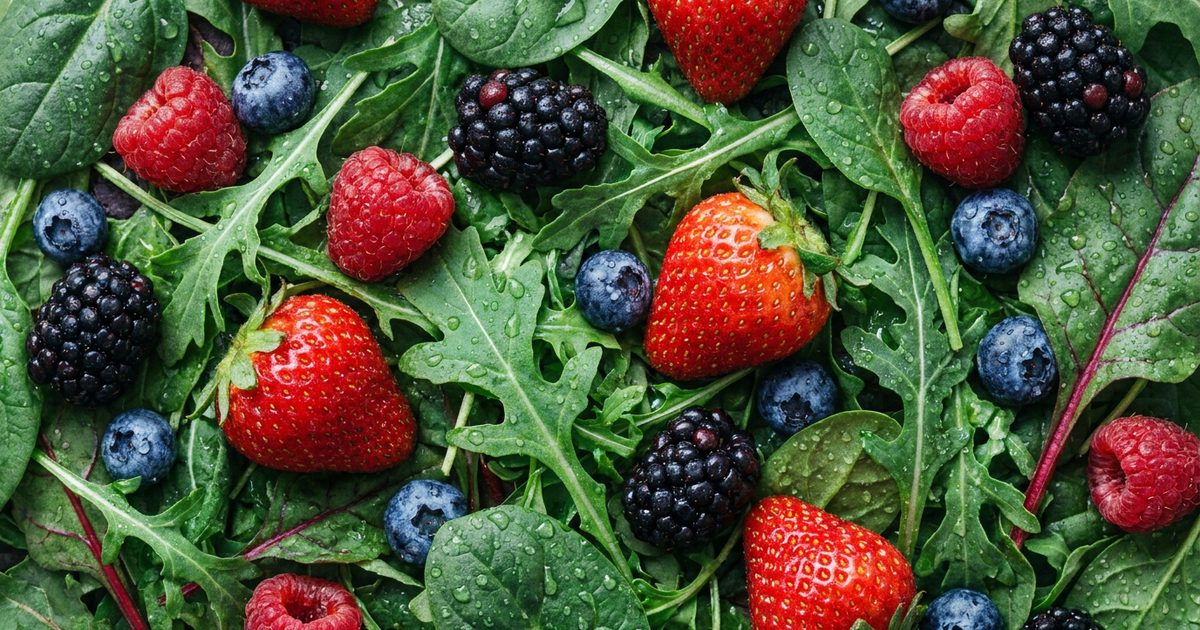
Fresh produce is usually associated with healthy eating. But researchers are increasingly finding another ingredient in the food system that consumers never intended to eat: plastic particles.
Microplastics have been detected in food, drinking water, agricultural soil, household dust, and human biological samples. Some studies suggest that fruits, vegetables, and grains could contribute substantially to dietary exposure because plants grow in environments where plastic contamination is already widespread.
The science is still developing, however.
Researchers have found evidence that plants can interact with and, under certain experimental conditions, take up very small plastic particles. Human studies have also detected microplastics and nanoplastics in tissues.
But detecting particles in food or the human body Does Not Guarantee that they are causing disease.
The more useful question is how much exposure occurs, which particles are involved, and whether practical changes can reduce unnecessary intake.
Quick Guide: Microplastics in Produce
If you're concerned about microplastics in your diet, you don't need to stop eating fruits and vegetables.
Instead, focus on reducing avoidable exposure from food preparation, packaging, and water.
Buyer Checklist
- Wash fresh produce thoroughly before eating.
- Consider peeling some fruits and vegetables when appropriate.
- Use filtered water for drinking and food preparation if your local water supply has known contamination concerns.
- Store food in glass, ceramic, or stainless steel when practical.
- Avoid heating food in plastic containers.
- Reduce unnecessary reliance on highly packaged foods.
- Keep eating fruits and vegetables because their established health benefits remain substantial.
How Microplastics Get Into Fruits and Vegetables
Plastic contamination can enter agricultural systems through several routes.
Agricultural Soil
Plastic waste can reach farmland through:
- Degraded agricultural films
- Plastic-containing compost or soil amendments
- Irrigation water
- Atmospheric deposition
- Runoff from surrounding environments
Once plastic enters soil, weathering and mechanical breakdown can produce progressively smaller particles.
These particles can remain in agricultural environments for long periods.
Water
Irrigation water can provide another pathway.
Microplastics have been detected in both freshwater and treated water systems, meaning agricultural crops can potentially encounter plastic particles before harvest.
The concentration varies substantially depending on the water source and surrounding environment.
Air and Dust
Plastic particles do not remain confined to soil and water.
Fibers and fragments can circulate through indoor and outdoor air and eventually settle on crops, food-processing surfaces, and household environments.
This creates another potential route of contamination between harvest and consumption.
Can Plants Actually Absorb Microplastics?
This is one of the most interesting areas of current research.
Laboratory and greenhouse experiments suggest that sufficiently small plastic particles can interact with plant roots and, under certain conditions, move into plant tissues.
Researchers have reported particles associated with:
- Root systems
- Stems
- Leaves
- Other plant tissues
But laboratory uptake experiments should not automatically be interpreted as proof that ordinary supermarket produce contains large quantities of internally absorbed plastic.
Real agricultural conditions are much more complicated.
Particle size, polymer type, soil composition, plant species, moisture, and exposure duration can all influence whether uptake occurs.
The Best Signal is therefore the growing body of experimental evidence—not the assumption that every piece of produce contains dangerous quantities of plastic.
Why Smaller Plastic Particles Matter
Microplastics are generally defined as plastic particles smaller than 5 millimeters.
But researchers are increasingly interested in nanoplastics, which are substantially smaller.
This distinction matters because particle size can influence biological behavior.
Very small particles may have greater potential to:
- Cross biological barriers
- Interact with cellular structures
- Move between tissues
- Carry or release chemical additives
However, smaller particles are also harder to detect.
That creates a major scientific problem.
Better Detection Can Produce Bigger Numbers
Analytical technology has improved rapidly.
Modern techniques such as Raman spectroscopy and advanced infrared microscopy can detect particles that older methods could not reliably measure.
As detection limits improve, researchers naturally find more particles.
That does not necessarily mean humans suddenly began consuming hundreds of times more plastic.
Some of the increase in estimated exposure reflects better measurement, not necessarily a sudden change in environmental contamination.
How Much Microplastic Do People Eat?
There is no universally accepted number.
Estimates vary considerably depending on:
- What foods are included
- Particle size being measured
- Whether drinking water is included
- Analytical detection limits
- Geographic location
- Dietary habits
- Whether researchers count particles or estimate mass
Some studies have produced estimates in the tens of thousands of particles per day, while other analyses produce substantially different figures.
This is why particle-count headlines should be treated cautiously.
A million extremely small particles does not necessarily represent the same biological exposure as a smaller number of larger particles.
Particle size, polymer chemistry, shape, additives, and dose all matter.
What Happens to Microplastics After We Eat Them?
Scientists are still working this out.
Some larger particles may pass through the gastrointestinal tract and leave the body in stool.
Smaller particles may behave differently.
Experimental research suggests that sufficiently small particles can interact with intestinal barriers and potentially enter biological tissues.
Human studies have reported plastic particles in several biological samples, including blood and lung tissue.
These findings establish that human exposure is real.
They do not, by themselves, establish that the particles are causing specific diseases.
Microplastics Have Been Found in Human Tissues
This is one of the reasons the topic has attracted so much scientific attention.
Researchers have reported plastic particles or polymer-associated material in samples including:
- Blood
- Lung tissue
- Placental tissue
- Stool
- Cardiovascular tissue
A particularly notable area of research involves cardiovascular disease.
A study published in the New England Journal of Medicine examined carotid artery plaques and reported microplastic and nanoplastic material in a substantial proportion of the samples studied.
The researchers also observed an association between the presence of these materials and subsequent cardiovascular events.
However, this was not a randomized experiment.
The results therefore Do Not Guarantee that microplastics caused those cardiovascular outcomes.
They provide an important association that warrants further investigation.
What Health Effects Are Researchers Investigating?
Scientists are studying several possible biological pathways.
Inflammation
Plastic particles may interact with immune cells and potentially trigger inflammatory responses.
Oxidative Stress
Cell and animal experiments have reported changes associated with oxidative stress after exposure to certain microplastics.
Immune Effects
Researchers are investigating whether particles can alter immune signaling or inflammatory responses.
Cardiovascular Effects
Studies are examining possible relationships between plastic particles, blood vessels, inflammation, and cardiovascular disease.
Endocrine and Chemical Exposure
Plastic itself isn't the only concern.
Some plastics contain additives such as:
- Phthalates
- Bisphenols
- Flame retardants
- Other plasticizers
Particles can also interact with environmental contaminants.
The health effects of these combined exposures remain an active research area.
Does Washing Produce Remove Microplastics?
Washing is still worthwhile, but consumers should understand its limitations.
Rinsing produce can remove:
- Soil
- Dust
- Surface particles
- Some externally deposited contaminants
It cannot be assumed to remove particles that have potentially entered plant tissues.
For everyday food safety, however, washing remains an important practice because it also reduces dirt and some microbial contamination.
A Practical Approach
Wash produce under clean running water before eating.
For vegetables with thick or firm surfaces, gently scrubbing can help remove material from the exterior.
Peeling can further reduce some surface-associated contamination, although it also removes nutrients and fiber found in the skin.
There is no need to aggressively process every fruit or vegetable solely because of microplastic concerns.
What About Drinking Water?
Water can be another important exposure pathway.
Microplastics have been detected in both bottled and tap water.
The actual concentration varies significantly between locations and water sources.
Filtration can reduce certain contaminants, but performance depends entirely on the filtration technology.
If microplastic or PFAS reduction is your goal, look for a filtration system with independent performance testing for the specific contaminant rather than assuming every water filter works equally well.
Bottled Water May Add Another Exposure Source
Plastic bottles can introduce additional particles into water through the bottle itself, the cap, manufacturing processes, and mechanical wear.
This does not mean bottled water is inherently unsafe.
It does mean that packaging can become another potential source of exposure.
For routine home use, glass or stainless-steel containers provide a simple way to reduce reliance on plastic packaging.
Does Cooking Food in Plastic Increase Exposure?
Heat can accelerate chemical migration from some plastic materials.
The exact amount depends on:
- Plastic type
- Temperature
- Heating duration
- Food composition
- Container condition
A simple precaution is to avoid unnecessarily heating food in plastic.
Instead, use:
- Glass
- Ceramic
- Stainless steel
This is a relatively easy exposure-reduction step without requiring major dietary changes.
Should You Stop Eating Fruits and Vegetables?
No.
This is probably the most important point.
Fruits, vegetables, legumes, and whole grains have an extensive evidence base supporting their role in a healthy diet.
They provide:
- Fiber
- Vitamins
- Minerals
- Polyphenols
- Carotenoids
- Other bioactive compounds
Higher consumption of plant foods is consistently associated with better long-term health outcomes.
The potential health effects of microplastics remain uncertain, while the benefits of eating vegetables and fruit are well established.
So the sensible strategy is exposure reduction without sacrificing nutritional quality.
How To Reduce Microplastic Exposure From Food
You don't need to eliminate plastic completely.
Focus on the sources you can realistically control.
What To Do
Wash produce
Rinse fruits and vegetables before eating.
Use non-plastic storage
Glass, stainless steel, and ceramic containers can reduce direct contact with plastic.
Don't heat food in plastic
Transfer leftovers to a heat-resistant container before microwaving or cooking.
Reduce unnecessary packaging
Choose fresh or minimally packaged foods when convenient.
Consider water filtration
If your local water source or testing indicates contamination concerns, choose filtration based on independently verified performance.
Reduce synthetic dust
Regular cleaning and ventilation can reduce household dust, which can contain plastic fibers.
Replace damaged plastic items
Older, scratched, or heavily worn plastic containers and utensils may shed more material.
What About Plastic Cutting Boards?
Plastic cutting boards are another potential source of small plastic particles.
Cutting, scraping, and repeated washing can gradually wear down the material.
Research has investigated whether this wear contributes to dietary microplastic exposure.
The exact health significance remains uncertain, but switching between materials such as wood, bamboo, or other durable food-safe surfaces can reduce dependence on plastic if that is a concern.
The Bigger Problem Is the Food System
Microplastics in produce aren't really a problem created by one particular fruit or vegetable.
They reflect a much larger environmental system.
Plastic enters:
- Agricultural soils
- Water systems
- Food-processing environments
- Packaging
- Household dust
- Air
Once plastic is distributed throughout those systems, complete avoidance becomes unrealistic.
That means individual behavior can reduce exposure, but the long-term solution ultimately depends on reducing plastic pollution at its source.
What We Know — And What We Don't
What research supports
- Microplastics are widespread in the environment.
- Plastic particles have been detected in food and drinking water.
- Agricultural soils can contain substantial plastic contamination.
- Experimental studies show that some plants can interact with and potentially absorb very small particles.
- Plastic particles have been detected in human biological samples.
What remains uncertain
- The average amount of microplastic absorbed by humans.
- Which particle sizes are most biologically important.
- How long different particles remain in tissues.
- The health significance of chronic low-level exposure.
- Whether detected particles directly cause specific diseases.
That distinction is important.
Exposure is established. The full health consequence is not.
The Bottom Line
Microplastics are increasingly difficult to avoid because they are now distributed throughout the food, water, and environmental systems around us.
Fruits and vegetables may contribute to exposure through contaminated soil, water, air, and handling. Research also suggests that very small particles can interact with plants under certain conditions.
But this doesn't make produce something to fear.
The evidence supporting the health benefits of eating fruits and vegetables is far stronger than the evidence showing that microplastics in produce cause disease.
The smartest approach is therefore simple: keep eating plants, while reducing avoidable plastic exposure where practical.
Wash your produce. Avoid heating food in plastic. Use glass or stainless steel when convenient. Choose water filtration based on actual performance data.
Small exposure-reduction steps are reasonable while researchers continue working out what long-term microplastic exposure ultimately means for human health.
Sources
- World Health Organization — Microplastics in Drinking Water An overview of the evidence surrounding microplastics in drinking-water systems and the uncertainties surrounding human health effects.
- U.S. Food and Drug Administration — Microplastics and Nanoplastics in Foods Regulatory and scientific information about plastic particles in the food supply.
- National Institute of Environmental Health Sciences — Microplastics and Nanoplastics Research background covering environmental exposure and potential biological effects.
- European Food Safety Authority — Microplastics and Nanoplastics in Food Scientific assessments examining exposure, analytical challenges, and potential health risks.
- National Oceanic and Atmospheric Administration — Marine Microplastics Background on how plastic pollution enters and moves through environmental systems.
- New England Journal of Medicine — Microplastics and Nanoplastics in Atheromas and Cardiovascular Events Human research examining plastic particles found in cardiovascular tissue and their association with clinical outcomes.
- Environmental Science & Technology — Microplastics in Agricultural Soils Research examining sources, accumulation, and potential consequences of plastic contamination in farmland.
- Nature Food — Microplastics and Plant Food Exposure Research examining how plastic particles interact with agricultural crops and potential dietary exposure pathways.