The Ice Cream Label Trick: What You’re Actually Buying
Ice cream vs frozen dairy dessert: what the FDA rules actually mean
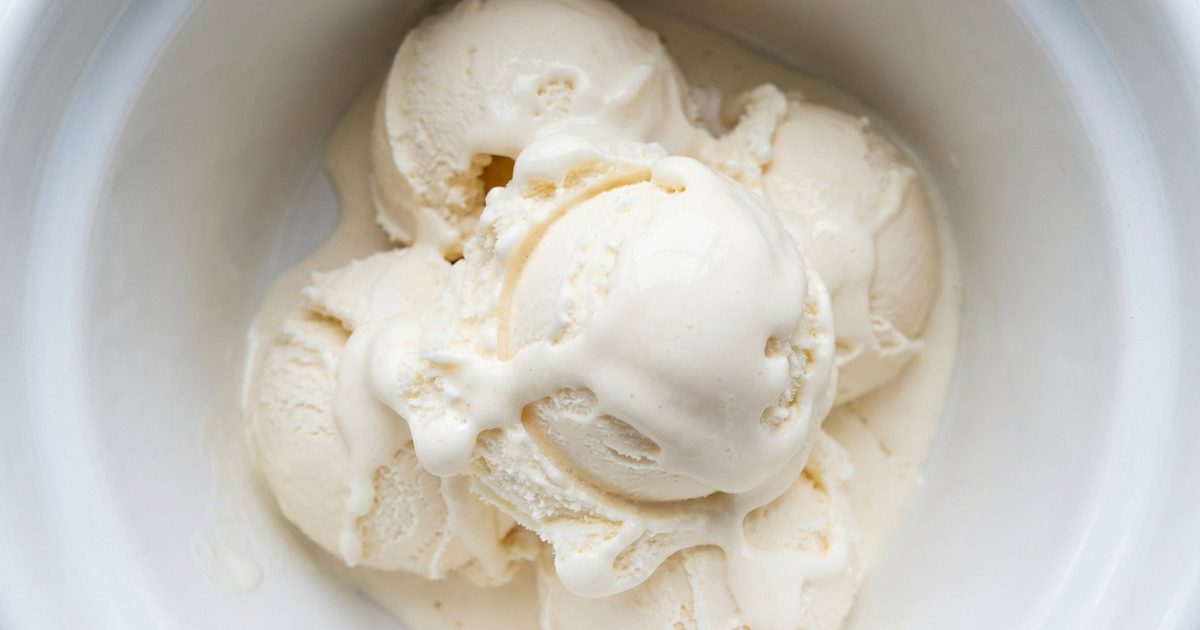
Walk through the freezer aisle and you may notice that some products that look like traditional ice cream are actually labeled “frozen dairy dessert.”
That difference is not necessarily a health warning. It is primarily a legal labeling distinction based on how the product is formulated.
In the United States, products marketed as ice cream must meet a federal standard of identity that specifies requirements including milkfat and milk-solids content. Products that do not meet that standard may need to use another name.
The important takeaway is simple: the name on the package can tell you something about the formulation, but it does not tell you by itself whether the product is healthy, unhealthy, better, or worse.
Buyer Checklist
- Check whether the legal product name says “ice cream” or “frozen dairy dessert.”
- Look at the ingredient list rather than relying on front-of-package marketing.
- Check whether milkfat, cream, or vegetable oils provide most of the fat.
- Compare added sugars and saturated fat between similar products.
- Look for shorter ingredient lists if you prefer minimally formulated foods.
- Do not assume “frozen dairy dessert” automatically means unhealthy.
What Is the Difference Between Ice Cream and Frozen Dairy Dessert?
The main difference is formulation and legal classification.
Traditional ice cream is regulated under a federal standard of identity. A product that meets the applicable requirements can be labeled as ice cream.
Products formulated differently may instead use names such as:
- Frozen dairy dessert
- Frozen dessert
- Frozen confection
- Other category-specific names
These products can still contain milk, cream, sugar, and other familiar ingredients.
The legal name does not mean that one category is automatically healthier. It tells you that the product does not meet the specific regulatory definition for the name “ice cream.”
What Does the FDA Require for Ice Cream?
The U.S. federal standard of identity establishes specific requirements for products labeled as ice cream.
One of the best-known requirements is a minimum 10% milkfat by weight, along with requirements concerning milk solids and other characteristics of the product.
The standard exists so that consumers can expect a particular basic composition when a product is sold as ice cream.
This is an important distinction:
“Ice cream” is not simply a marketing description. It is a regulated food name.
A manufacturer cannot freely use the term if the product does not satisfy the applicable standard.
Why Do Some Products Use “Frozen Dairy Dessert” Instead?
Manufacturers can formulate frozen desserts in different ways.
Changing the amount or type of fat, milk solids, sweeteners, stabilizers, or other ingredients can alter the final product enough that it no longer qualifies under the federal ice-cream standard.
Possible reasons for reformulation include:
- Ingredient costs
- Texture
- Shelf stability
- Melting characteristics
- Manufacturing requirements
- Desired calorie or fat profile
- Product positioning
Dairy fat can be relatively expensive, so manufacturers may use different fat sources or formulation strategies to achieve a particular texture and price.
However, it is important not to assume that every frozen dairy dessert exists simply because a company is trying to make a cheaper version of ice cream.
Different formulations serve different technical and nutritional purposes.
Does Frozen Dairy Dessert Contain Vegetable Oil?
Some do, but not all.
Vegetable oils can be used as alternative fat sources in frozen desserts. Common examples include coconut, palm, or other vegetable-derived fats.
If you want to know what a particular product contains, the ingredient list is more useful than the product category.
What To Check
Look at the first several ingredients and identify the primary fat sources.
For example:
More dairy-focused formulation:
- Milk
- Cream
- Sugar
- Milk solids
Alternative-fat formulation:
- Milk
- Sugar
- Vegetable oil
- Syrups
- Stabilizers
Neither ingredient list automatically determines whether the product is safe.
It tells you what you are actually buying.
Why Do Ice Cream Products Use Gums and Stabilizers?
Frozen desserts need to maintain a stable structure while being frozen, stored, transported, and eventually eaten.
Manufacturers may use ingredients such as:
- Guar gum
- Carrageenan
- Cellulose derivatives
- Mono- and diglycerides
- Other stabilizers and emulsifiers
These ingredients can help control:
- Ice-crystal formation
- Melting
- Texture
- Separation
- Air incorporation
Their presence does not automatically make a product unhealthy.
The more useful question is how much of the product's formulation depends on highly processed ingredients and what the overall nutritional profile looks like.
Are Emulsifiers in Ice Cream Bad for Your Gut?
This is an area where the evidence is often overstated.
Some experimental research has found that particular emulsifiers can alter gut microbial communities or intestinal inflammation in animal models.
However, animal findings cannot automatically be translated into disease risk for humans eating normal amounts of ice cream.
Human evidence is still developing.
Therefore:
The presence of an emulsifier does not prove that an ice cream or frozen dessert will damage your gut.
If you prefer simpler foods, however, ingredient transparency can still be a useful purchasing criterion.
What Is Overrun in Ice Cream?
Overrun is the amount of air incorporated into a frozen dessert during manufacturing.
For example, if a mixture doubles in volume because air is incorporated during freezing, it has approximately 100% overrun.
Overrun affects:
- Texture
- Density
- Melting behavior
- Perceived creaminess
- Amount of product delivered by volume
Premium ice creams often use less air and therefore feel denser and richer.
Products with more air can feel lighter because the same container volume contains less frozen mixture.
This is one reason comparing products by weight rather than simply by scoop size can be useful.
Is Ice Cream Healthier Than Frozen Dairy Dessert?
There is no universal answer.
Being legally classified as ice cream does not automatically make a product healthier.
A product labeled ice cream could still contain:
- Large amounts of added sugar
- High saturated fat
- Large serving sizes
- Significant calories
A frozen dairy dessert could have a different nutritional profile depending on its formulation.
When comparing two products, check:
- Added sugar
- Total calories
- Saturated fat
- Protein
- Calcium
- Serving size
- Ingredient composition
The Best Signal is the complete nutrition and ingredient profile, not the legal product name alone.
Does “Real Ice Cream” Mean Healthier?
Not necessarily.
“Real ice cream” is largely a marketing concept unless the specific claim has a defined regulatory meaning.
A product can meet the legal standard for ice cream while still being highly indulgent.
Likewise, a frozen dairy dessert can be formulated with relatively straightforward ingredients.
This is why the Default Assumption that “ice cream = good” or “frozen dairy dessert = bad” is too simplistic.
Why Do Brands Change From Ice Cream to Frozen Dairy Dessert?
A reformulation can happen for many reasons.
A company may change:
- Fat sources
- Sugar systems
- Milk solids
- Stabilizers
- Sweeteners
- Flavoring systems
- Manufacturing processes
If the resulting formula no longer meets the applicable standard of identity, the product may need to use a different legal name.
This can happen without the product becoming unsafe.
The change primarily tells you that the formulation has changed enough to affect its regulatory classification.
What Should You Look for When Buying Ice Cream?
If your goal is a simpler, less heavily formulated dessert, start with the ingredient list.
1. Check the legal name
Look for:
Ice cream
rather than automatically assuming every frozen dairy product is ice cream.
2. Check the primary fat source
If you prefer a traditional dairy formulation, look for milkfat or cream near the beginning of the ingredient list.
3. Compare added sugars
Ice cream can contain substantial amounts of added sugar regardless of its legal classification.
4. Look at serving size
A small serving can make a large difference in calories and sugar.
5. Check the full ingredient list
Do not judge a product solely from words such as:
- Premium
- Natural
- Traditional
- Real
- Farm style
The ingredient list provides more concrete information.
Is Frozen Dairy Dessert Safe to Eat?
For a product legally sold in the United States, the fact that it is labeled frozen dairy dessert rather than ice cream does not mean it is unsafe.
The distinction primarily concerns what the product contains and which regulatory standard it satisfies.
Food safety and nutritional quality are separate questions.
A frozen dessert can be legally compliant while still being high in added sugar or saturated fat.
Likewise, a product can have a more complicated ingredient list without necessarily posing a meaningful health risk at normal consumption levels.
Ice Cream vs Frozen Dairy Dessert: What Actually Matters?
What to check
Why it matters
Legal product name
Tells you how the product is classified
Milkfat/cream
Indicates a more dairy-based fat profile
Vegetable oils
Changes the primary fat source
Added sugar
Major contributor to overall sugar intake
Saturated fat
Relevant to overall dietary patterns
Protein and calcium
Useful indicators of dairy contribution
Stabilizers/emulsifiers
Help explain texture and processing
Serving size
Determines actual intake
No single characteristic tells the entire story.
The Bottom Line
Some products in the freezer aisle are not legally called ice cream because they do not meet the federal standard of identity for that product category.
That does not automatically make them unhealthy or inferior.
The most useful distinction is between what the law requires and what marketing implies.
If you want a traditional dairy-based ice cream, check the legal product name and ingredient list. If your goal is overall health, compare the entire nutritional profile rather than assuming one legal category is always better.
The Best Signal is what is actually in the container: the fat source, added sugar, serving size, protein, and overall ingredient composition.