Lead and Cadmium in Protein Powder: How Big Is the Risk?
Do protein powders contain heavy metals? Here is what independent testing has found and how to reduce exposure.
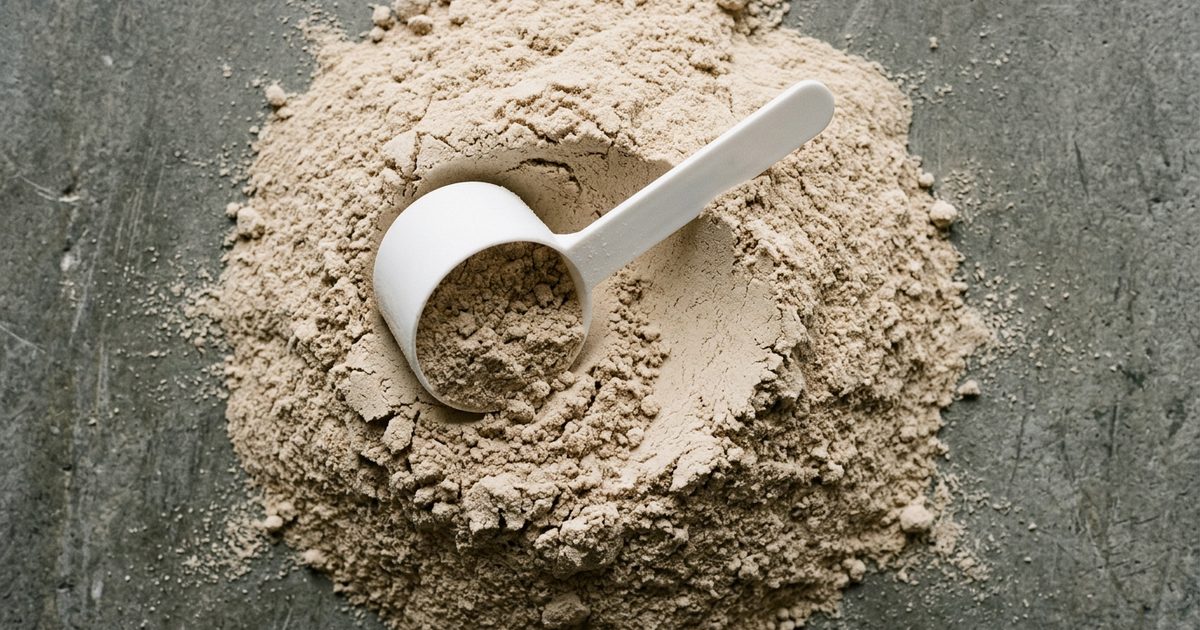
Protein powder is often marketed as a clean and convenient way to increase protein intake. But independent testing has found that some protein powders contain measurable amounts of lead, cadmium, arsenic, and other heavy metals.
The important question is not whether every protein powder is contaminated. It is whether a product you consume regularly contributes meaningful exposure over time.
Heavy metal concentrations vary substantially between products, ingredients, and batches. Plant-based protein powders can be particularly affected by soil contamination, while animal-based products can also contain detectable metals.
Finding a measurable amount does not guarantee that a product will cause harm. Risk depends on the concentration, serving size, frequency of use, total exposure from other foods, and individual vulnerability.
For people consuming protein powder every day, however, third-party contaminant testing is one of the most useful signals to look for.
Buyer Checklist
- Look for independent third-party testing for lead, cadmium, arsenic, and mercury.
- Prefer brands that publish current batch-level or lot-specific testing.
- Be cautious of products that provide no contaminant information.
- Avoid unnecessarily large servings when you already meet your protein needs.
- Rotate protein sources rather than relying on one supplement every day.
- Consider whole-food protein sources when practical.
- Pay particular attention to testing when buying plant-based protein powders.
Do Protein Powders Contain Heavy Metals?
Yes. Some protein powders contain detectable heavy metals, including lead and cadmium.
Independent testing has found contamination across multiple categories, including:
- Plant-based protein
- Whey protein
- Protein blends
- Meal replacement powders
- Flavored protein products
The presence of heavy metals is not necessarily evidence of intentional contamination.
These elements occur naturally in soil and can also enter agricultural environments through industrial pollution, fertilizers, irrigation water, and other sources.
Protein powders can become a more concentrated source because large quantities of agricultural ingredients may be processed into a relatively small amount of finished protein powder.
Which Heavy Metals Are Found in Protein Powder?
The contaminants that receive the most attention are:
Lead
Lead is a toxic metal with no known beneficial biological role.
Long-term exposure has been associated with neurological, cardiovascular, kidney, and developmental effects. Children and developing fetuses are particularly vulnerable.
Cadmium
Cadmium can accumulate in the body, particularly in the kidneys and bones.
Long-term exposure has been associated with kidney damage and effects on bone health.
Arsenic
Arsenic occurs naturally in soil and water and exists in different chemical forms.
Inorganic arsenic is the form associated with the greatest health concern and has been classified as carcinogenic to humans.
Mercury
Mercury can affect the nervous system and is most commonly associated with contaminated seafood.
It can also appear in other products at lower levels, although detection patterns vary substantially.
The toxicity of each metal depends on its chemical form, concentration, route of exposure, and duration.
Why Are Heavy Metals in Protein Powder?
Heavy metals can enter protein powders through the raw ingredients used to produce them.
Plant-based protein powders are particularly relevant because crops can absorb metals from contaminated soil and irrigation water.
Common protein sources include:
- Peas
- Rice
- Hemp
- Soy
- Other legumes and grains
Potential contamination pathways include:
- Naturally occurring metals in soil
- Agricultural contamination
- Irrigation water
- Industrial pollution
- Fertilizer inputs
- Processing and concentration
Animal-derived proteins can also contain contaminants because animals may be exposed through feed, water, and their surrounding environment.
This means whey protein is not automatically contaminant-free, even though its contamination pathway differs from that of plant proteins.
Why Plant Protein Can Have More Cadmium and Lead
Plant-based protein powders often receive particular attention because crops directly interact with soil.
Some plants are more efficient than others at taking up particular metals.
Rice, for example, can accumulate arsenic under certain growing conditions, while cadmium uptake varies according to soil chemistry and crop type.
When these crops are processed into protein ingredients, contaminants present in the raw material can remain in the finished powder.
That does not mean every plant protein is high in heavy metals.
It means ingredient sourcing can have a major influence on the final contaminant profile.
Is Whey Protein Lower in Heavy Metals?
Whey protein often shows lower levels of some contaminants than certain plant-based proteins, but this is a general trend rather than a guarantee.
Testing can vary considerably between:
- Brands
- Ingredients
- Countries of origin
- Manufacturing facilities
- Production batches
Whey can still contain measurable contaminants.
The most reliable way to evaluate a specific product is therefore not to assume that whey is safe or plant protein is unsafe.
It is to look for actual testing data for the finished product.
Does Protein Powder Accumulate Heavy Metals in Your Body?
Some heavy metals can remain in the body for long periods.
This is particularly relevant to repeated exposure.
Cadmium, for example, can accumulate in tissues and has a biological half-life measured in years to decades.
Lead can also remain in the body and accumulate in bone, where it may persist for long periods.
This creates an important distinction between acute toxicity and chronic exposure.
A single serving containing a small amount of a contaminant is very different from consuming a similar amount every day for years.
The risk question therefore becomes:
How much exposure does this product add to your total diet over time?
How Much Heavy Metal Is Too Much?
There is no single number that applies to every protein powder or every person.
Risk depends on:
- The specific metal
- Chemical form
- Concentration
- Serving size
- Frequency of consumption
- Body weight
- Age
- Pregnancy
- Exposure from other foods and sources
Regulatory and public-health agencies use different reference values and exposure models depending on the contaminant.
This is why simply seeing “lead detected” on a laboratory report does not tell you whether a product represents a meaningful health risk.
The concentration and expected exposure have to be considered together.
Why Daily Protein Powder Use Matters
Protein powder is different from an occasional food because many consumers use it every day.
For example, someone drinking one shake several times per week has a very different exposure pattern from someone consuming two or three servings every day for years.
Daily use can make relatively small contaminant concentrations more relevant because exposure becomes cumulative.
This does not mean daily protein powder is inherently dangerous.
It means contaminant testing becomes more useful when a product is a regular part of your diet.
Are Heavy Metals in Protein Powder Regulated?
Protein powders are generally sold as dietary supplements in the United States, and regulatory oversight differs from conventional foods.
Manufacturers are responsible for ensuring their products meet applicable safety and labeling requirements, but consumers should not assume that every supplement label provides a complete contaminant profile.
Heavy metal results are often not displayed on the front of the package.
A product may tell you:
- 25 grams of protein
- 2 grams of sugar
- 120 calories
without telling you the amount of lead or cadmium detected during testing.
This creates a transparency gap.
What Do Protein Powder Labels Not Tell You?
The nutrition panel tells you what the manufacturer is required to disclose about nutrients and ingredients.
It does not necessarily tell you:
- The amount of lead detected
- Cadmium concentration
- Arsenic concentration
- Mercury concentration
- The laboratory used for testing
- Whether every batch was tested
- Where raw ingredients originated
This is why the Best Signal is often independent testing rather than the marketing language on the package.
What Is Third-Party Testing?
Third-party testing means the product is analyzed by an independent laboratory rather than relying solely on the manufacturer's internal quality-control process.
Ideally, testing should identify:
- The laboratory
- The test method
- The contaminant measured
- The concentration detected
- The testing date or batch
- The applicable testing standard or limit
A certification logo by itself is less useful if consumers cannot verify what was actually tested.
Published laboratory results are much more informative than simply claiming that a product is “clean.”
How to Choose a Protein Powder With Lower Heavy Metal Exposure
There is no way to guarantee zero contamination.
Instead, look for products with stronger transparency.
1. Check for independent testing
Look for quantified results for:
- Lead
- Cadmium
- Arsenic
- Mercury
2. Prefer batch or lot testing
A single laboratory test does not necessarily represent every production run.
Ingredients and suppliers can change.
3. Check the source of the protein
Look for information about where major ingredients are sourced and processed.
4. Avoid unnecessary megadosing
More protein is not automatically better.
If you already meet your protein requirements, oversized servings can increase exposure without providing a corresponding nutritional benefit.
5. Rotate protein sources
Using different foods can reduce dependence on a single ingredient or supplier.
Whole-food options include:
- Eggs
- Dairy
- Fish
- Poultry
- Beans
- Lentils
- Tofu
- Nuts and seeds
Should You Stop Taking Protein Powder?
For most people, there is no reason to assume that all protein powders are unsafe.
Protein supplements can be useful when food alone makes it difficult to meet protein requirements.
The more reasonable approach is to choose products with stronger contaminant controls and avoid unnecessary long-term exposure to poorly tested supplements.
If you use protein powder occasionally, your exposure will generally be lower than if you consume multiple servings every day.
The distinction between occasional and chronic exposure matters.
Whole Food Protein vs Protein Powder
Whole foods can provide protein without the same degree of processing and concentration involved in manufacturing protein powders.
However, whole foods are not automatically free of heavy metals either.
Plants can absorb metals from soil, and seafood can contain contaminants such as mercury.
The advantage of whole foods is that you can diversify your protein sources and reduce reliance on a single concentrated supplement.
A varied diet also makes it less likely that one contaminated ingredient will dominate your long-term exposure.
What the Evidence Actually Shows
The strongest conclusion is relatively simple:
Heavy metals can be detected in some protein powders, and concentrations vary substantially between products.
The evidence does not support the claim that every protein powder is dangerous.
It also does not support assuming that a product is contaminant-free simply because it is:
- Organic
- Natural
- Grass-fed
- Plant-based
- Premium
- Non-GMO
Those labels describe different characteristics and do not automatically guarantee heavy-metal purity.
For frequent users, verified contaminant testing is a much more relevant signal.
The Bottom Line
Protein powder can be a convenient way to increase protein intake, but it is not necessarily chemically simple.
Independent testing has detected lead, cadmium, arsenic, and other contaminants in some protein products. Plant-based powders can be particularly affected by metals taken up from soil, although contamination can occur across protein categories.
The presence of a heavy metal does not guarantee that a product will cause harm. Actual risk depends on concentration, serving size, frequency, duration, and total exposure.
If you drink protein powder every day, the smartest strategy is not necessarily to stop.
Instead:
Choose transparent brands, look for independent heavy-metal testing, avoid unnecessary oversized servings, and diversify your protein sources.
The Best Signal is not a “clean” label.
It is verified data showing what is actually in the product.